

The Storm that Trended Away
On Sunday, January 18th, 2026, social media accounts in the United States began to chatter about an upcoming weather event for the following weekend. Along with intense arctic air coming down from Canada, a storm system seemed poised to develop and track across the southern United States. There was a high chance of a significant snow and ice event in areas not accustomed to severe winter weather.
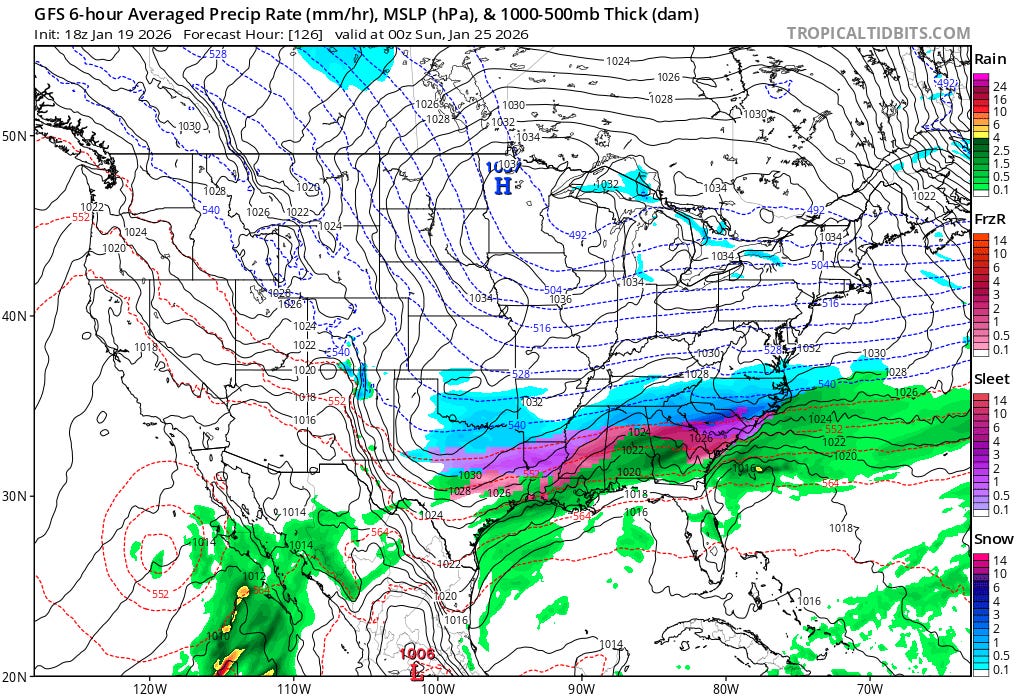
By Monday, computer model guidance maps were being shared across platforms such as YouTube, Facebook, and TikTok - some with scary language describing the weather as “going off the rails” or being unprecedented. The spread was so significant that even people who don’t nerd out about the weather heard of the impending storm. My neighbor even commented to me that day about how we were going to get an inch of freezing rain that weekend!
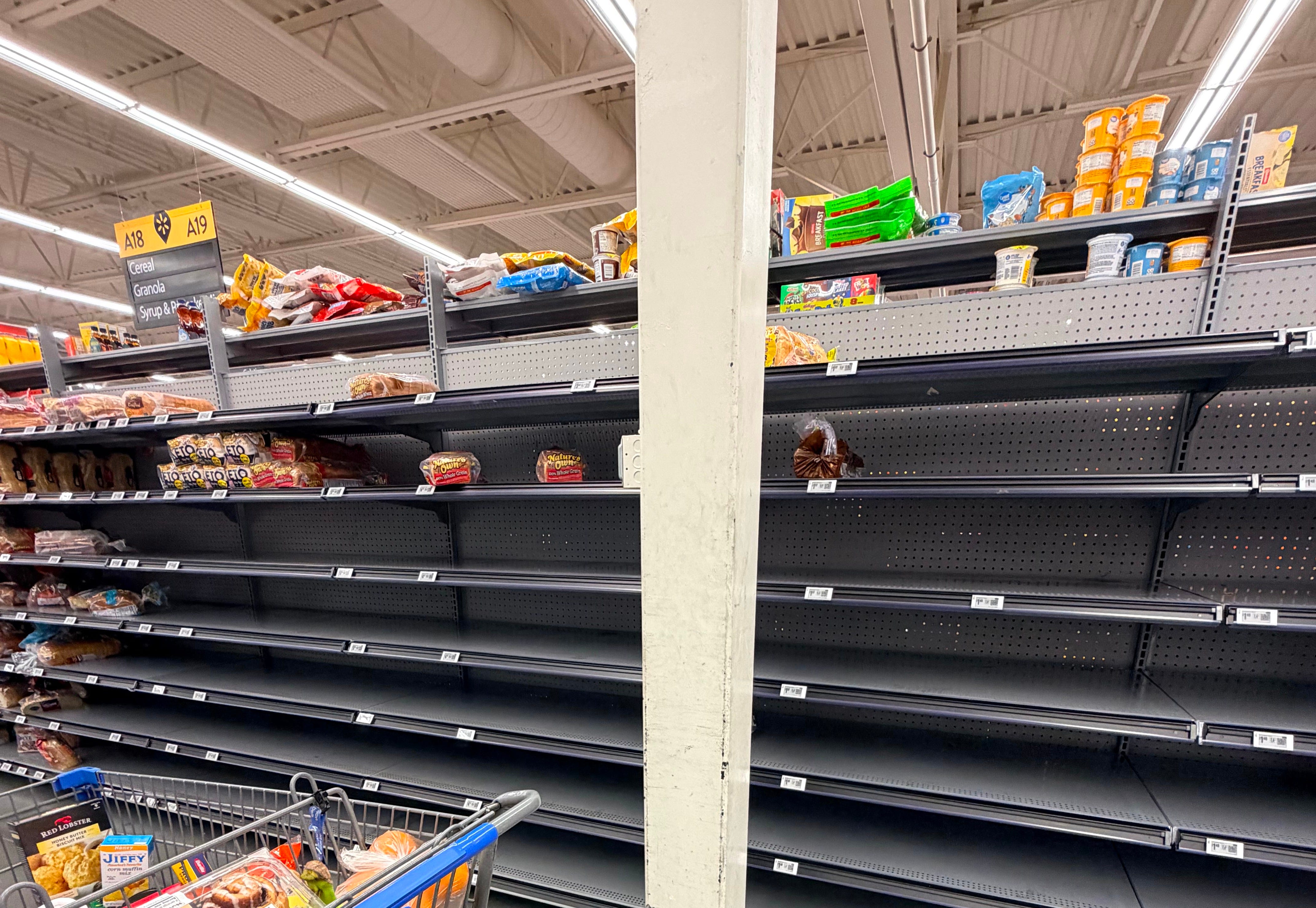
To some extent, the reaction from people was a bit predictable. The storm itself did develop, but it tracked significantly farther north than some computer models showed earlier in the week.1 People argued about trends and which model was better or worse. Expert forecasters even found their forecasts challenged by people armed with nothing more than gut feelings or an attachment to a particular model or outcome. Others panicked, with some stores in my local area running low on certain common items before the weekend, despite the official weather forecast calling for mostly rain. If you wanted to buy some bread here, you may have been forced to buy the healthy stuff that people apparently don’t like during an emergency.
Today, people can easily obtain information that was once available only to experts (if at all). For $20 a month (or even free in some cases), you can buy access to the latest weather model guidance, whether you really understand it or not. Information and data have become increasingly democratized in our world.
Personally, I’ve tended to think of this as a good thing. Is there a point, however, where all of this easily accessible information becomes more noise than something useful? Have we as a society traded not knowing about something for knowing enough to be wrong? And how are the people who should know better acting?
The Danger of a Little Info
Access to information can be a good thing. News can spread more quickly. Knowledge that used to be located only in hard-to-find books can now be easily obtained on the internet. We can even access raw data, such as the information that a chemist used to characterize newly synthesized molecules. This can create issues when people don’t really understand what they are reading or seeing, though. Misformation, as we all know, can spread just as easily as information.
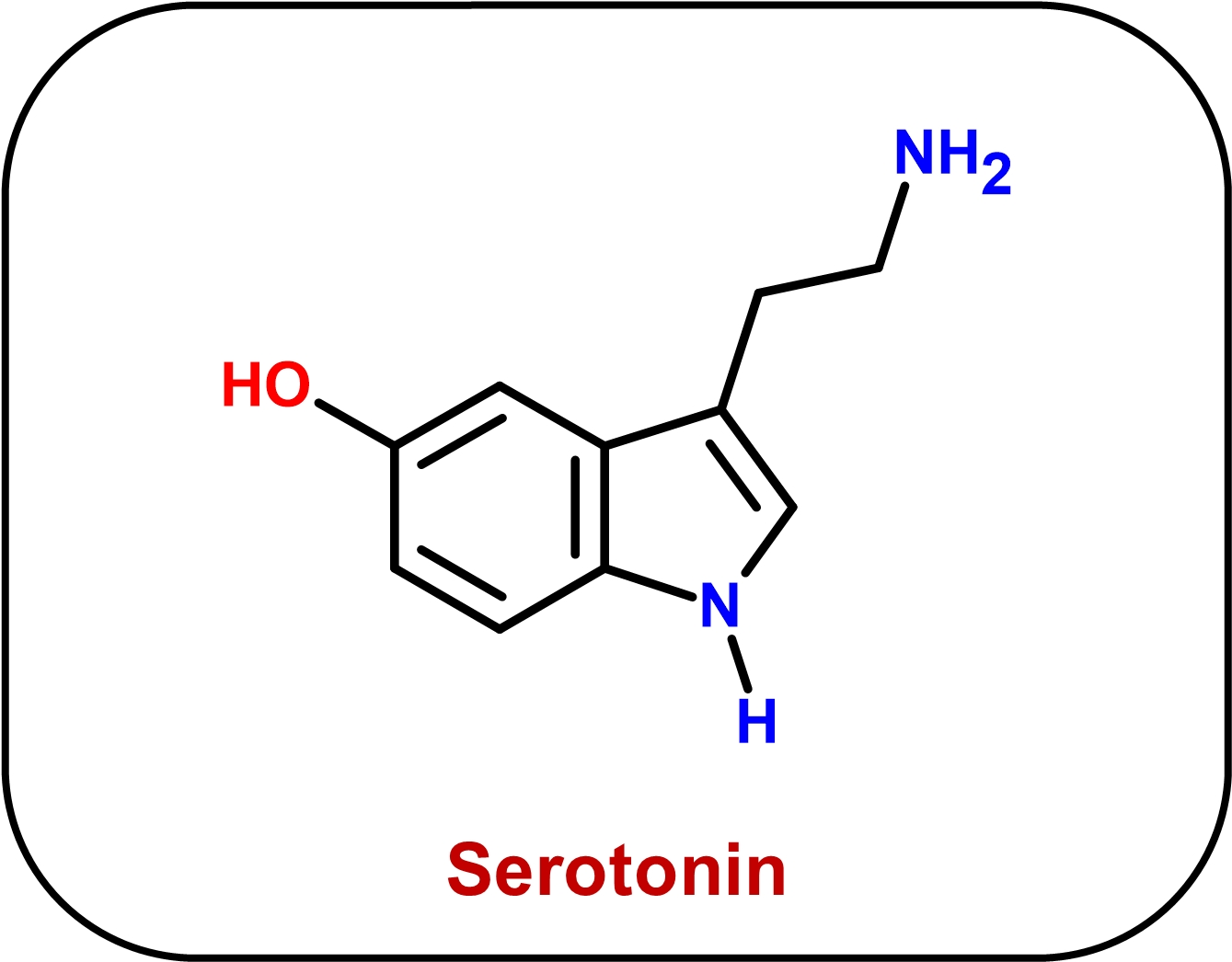
In the late 2010s, health and wellness influencers began talking about serotonin, an important neurotransmitter and hormone in the human body that regulates everything from mood to sleep quality. Serotonin, it was argued, is mostly made in your gut, and your gut health, therefore, significantly impacts your mood and emotional well-being. Some claimed that your poor mood could be quickly reversed with special supplements or by consuming fermented foods. So-called “psychobiotics” were marketed as a kind of biohack or biological upgrade. And what do you know? People loved to hear it! Unfortunately, the fact that serotonin produced in your gut can’t cross the blood-brain barrier never became widespread knowledge on social media.
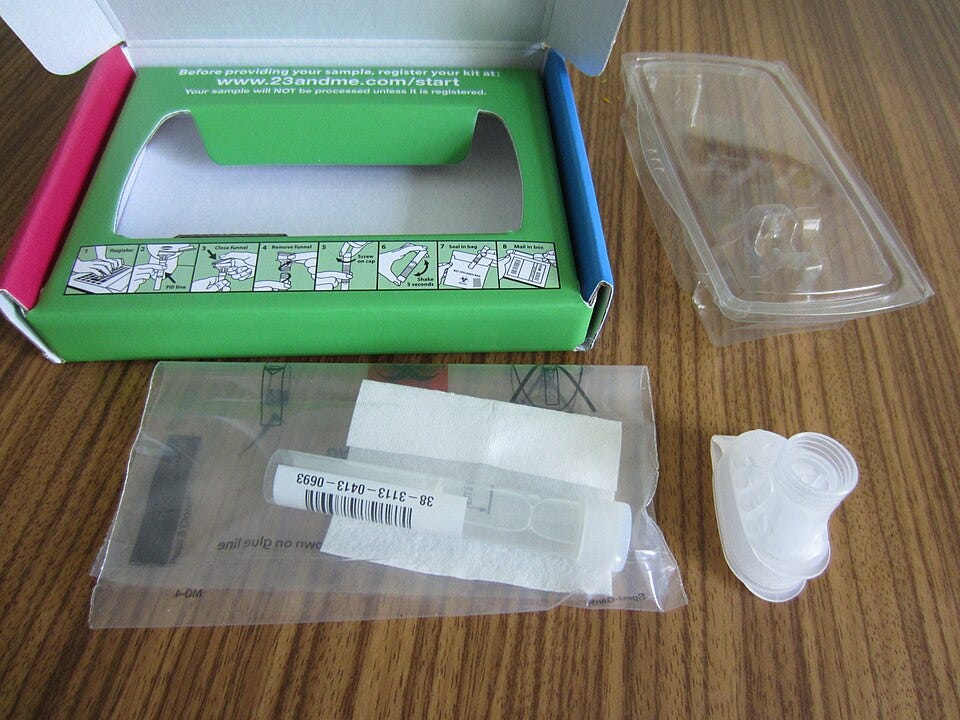
Today, millions of people have submitted DNA samples to services that promise information about their ancestry and health. It’s not uncommon for people to discover that they have a genetic variant that may or may not be consequential. For example, many learn that they have a genetic variation in the MTHFR (Methyltetrahydrofolate reductase) gene.2 Variations in this gene can impair the body’s ability to process folate (Vitamin B9). Folate is an essential molecule for important biological processes such as cell growth or DNA synthesis. Claims have been made on social media linking these genetic variants to everything from infertility to cancer. Some have even claimed that the consumption of folate itself could be lethal to certain people. The gene was “broken,” and expensive and unproven supplements were necessary to “fix” the problem.3 Ironically, these genetic variants are quite common, with 50-60% of people having one of them. There is no evidence that they prevent the human body from processing folate completely. Nonetheless, mere knowledge of their existence proved problematic.
Information can also make people feel like they are the experts. As crime investigation shows such as Law & Order or CSI became more popular in the 1990s and 2000s, viewers became acquainted with forensic science. Legal observers noticed over time that jurors in criminal trials began developing unrealistic expectations of forensic evidence, possibly because of these shows.4 A lack of definitive evidence, such as DNA and high-tech test results, could increasingly be viewed with suspicion. Why was there no DNA? Why are there no good fingerprints on the weapon? After an acquittal in the famous Casey Anthony trial, some argued that this so-called “CSI Effect” led the jury to hold the prosecution’s evidence to an impossible standard.
The Expertise Crisis
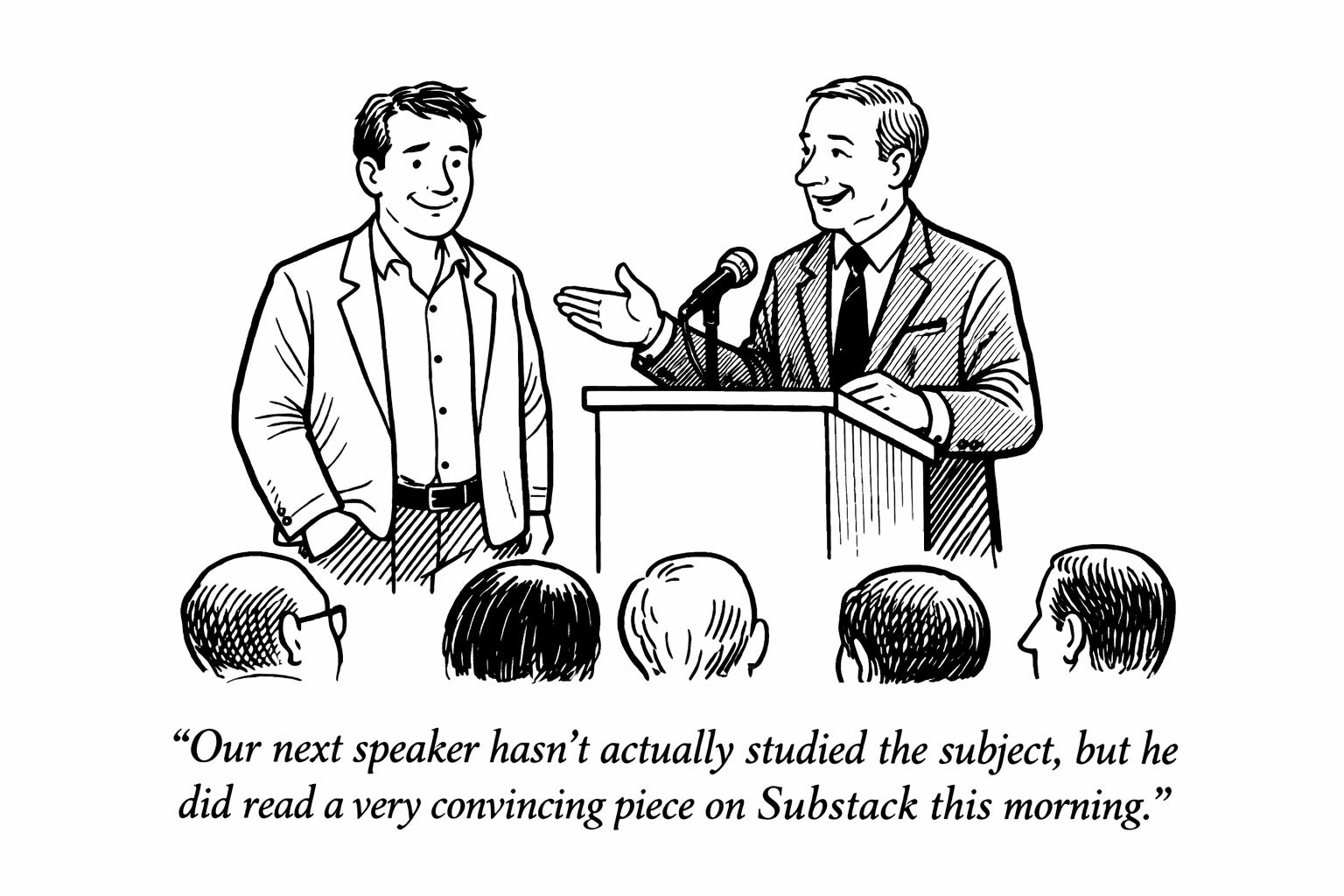
While information has become more democratized, expertise has been experiencing a crisis of its own. Where experts in the past could expect gravitas and authority to make people listen to them, now they find themselves challenged and viewed with increasing skepticism. Part of this, I think, is due to a growing trend towards anti-authority in our world. People are increasingly distrustful of governments and institutions. Society is more and more divided. Conspiracy theories spread rapidly online. More and more, people are encouraged to “do their own research” and come to their own conclusions. I also think, however, that experts collectively have done themselves no favors.
Some seem to view expertise as a status to be brandished rather than something that should be demonstrated. You might even see posts on social media that go something like: “As someone who has worked many years in [X], here’s why you’re wrong about [Y]…” Sometimes, their expertise or degree is only distantly related to whatever they are talking about. The assertion of authority is what’s more important, though.
For others, expertise seems to depend on absolute certainty. Saying things like, “I don’t know” or “The data is evolving” may feel more like a weakness that might cost them influence or a seat at the table. Admitting uncertainty might feel like giving the “other side” a victory. This attitude can be especially problematic when experts project certainty that later falls apart.
What Can We Do As a Society?
So, how do we deal with this world we find ourselves in? Some might love to go back to a time when gatekeepers controlled more information and people deferred to expertise without questioning it. We aren’t going back, though. We will never have less information available than we do today. Much like with AI, the genie can’t be put back in the bottle, so to speak. In fact, it’s still coming out!
I don’t pretend to have a perfect answer to this question. I do think, however, that there are some things people can aspire to in this increasingly information-heavy world:
People should wait. Whether it’s a weather model being shared on social media or a study claiming that coffee treats cancer, people should avoid quick reactions. How accurate is that model guidance? Just how good is that study? What do others think about it?
Skepticism should be encouraged, not discouraged. Asking "How do we know this?” is not a terrible thing. By itself, it’s not a sign of distrust. Not being able to answer the question is itself a problem, too! What we should be discouraging is cynicism and closed-mindedness.
Accept that there is probably more to what you hear, read, or see. It’s important to respect the gap between having information and understanding the process that created it. The same goes for having incomplete information.
Accept that certainty is not always possible. We like binary answers: yes/no, safe/unsafe, rain/no rain, good/bad. Our world isn’t binary, though. Compounds in coffee may be useful at warding off cancer, for example, but more than one study and a lot of work are needed to provide any certainty of that. We have to get more comfortable accepting things like “Maybe,” “We’re not certain,” or “ We don’t know.”5
So, how are you navigating this increasingly information-saturated world we live in? Do you cheer on the democratization of data, or do you yearn for the days of gatekeepers? Is a little information truly a bad thing? Let me know what you think!
References and Notes
Areas hyped for snow ended up with significant ice and freezing rain accumulations. Heavy snow fell well north of where some modeling showed it earlier in the week.
“MTHFR - Why Is There So Much Interest in This Gene?“ (Nebula Genomics)


